An estimated 40.1 million Americans have diabetes, and about 11 million of them don’t know it yet, according to the CDC’s National Diabetes Statistics Report. Type 2 diabetes, the most common form, often develops later in life and is shaped by both lifestyle and family history. It’s also largely preventable when caught early, which is why screening matters even before symptoms appear.
Medical Offices of Manhattan offers diabetes screening through two main blood tests: the A1C test and the fasting blood glucose test. These measure different things, so it helps to know how they differ before your appointment.
A1C test: Measures your average blood glucose level over the past three months. Results are given as a percentage, and you do not need to fast beforehand.
Fasting blood glucose test: Measures your blood glucose at a single point in time. This test requires fasting for at least eight hours beforehand.
Your provider may use either test, or both, depending on your health history and what they’re trying to confirm.
Diabetes and Prediabetes: What Your Screening Looks For
Diabetes means the level of glucose, or sugar, in your blood stays too high. Glucose comes from the food you eat. A hormone called insulin helps move that glucose out of your blood and into your cells, where it is used for energy. With type 1 diabetes, the body does not make insulin. With type 2 diabetes, the body does not make or use insulin well, so glucose builds up in the blood.
A diabetes screening test can also find prediabetes. Prediabetes means your blood sugar is higher than normal but not yet high enough for a diabetes diagnosis. The CDC estimates that about 98 million U.S. adults, more than one in three, have prediabetes, and most of them do not know it. Prediabetes usually causes no symptoms, so a blood test is often the only way to find it.
Gestational diabetes is a third type that develops during pregnancy. It usually goes away after birth, but having had gestational diabetes raises the chance of developing type 2 diabetes later in life.
If you have already been diagnosed and want to learn about ongoing care, visit the diabetes condition page.
What Raises Your Risk for Type 2 Diabetes?
Prediabetes and type 2 diabetes share almost all of the same risk factors, according to the CDC. Some of these you can change and some you can’t. Knowing which ones apply to you can help you and your provider decide when a diabetes screening test makes sense.
Risk factors you can’t change
Being age 45 or older
Having a parent, brother, or sister with type 2 diabetes
Having had gestational diabetes, or having given birth to a baby who weighed more than 9 pounds
Race and ethnicity: African American, Hispanic or Latino, American Indian, and Alaska Native adults have a higher risk, as do some Pacific Islander and Asian American adults
Risk factors you may be able to change
Having overweight or obesity
Being physically active fewer than three times a week
Smoking. The CDC reports that people who smoke have a 30% to 40% higher risk of type 2 diabetes than people who don’t.
Already having prediabetes, which on its own makes type 2 diabetes more likely
Certain health conditions are also linked to higher risk, including non-alcoholic fatty liver disease and polycystic ovary syndrome (PCOS).
Having one or more risk factors does not mean you will develop diabetes. It does mean a conversation about screening is worth having.
Current guidelines from the U.S. Preventive Services Task Force recommend diabetes screening starting at age 35 for adults who have overweight or obesity, with earlier screening for adults who are younger than 35 and have overweight or obesity along with another risk factor. Other risk factors include a family history of diabetes, a personal history of gestational diabetes or polycystic ovary syndrome, and certain lifestyle factors.
You may notice that the CDC lists age 45 as a risk factor, while screening guidance starts at 35 for some adults. Both are true. Risk rises with age, and screening earlier is meant to catch changes in blood sugar before they progress.
If you’re unsure whether screening makes sense for you, a Medical Offices of Manhattan provider can walk through your personal risk factors and help you decide.
Why Finding Diabetes Early Matters
Over time, blood sugar that stays too high can damage blood vessels and nerves throughout the body. MedlinePlus lists possible long-term complications of diabetes, including:
Heart disease and stroke
Kidney disease
Eye disease
Nerve problems
Foot problems
These problems usually develop over years, not overnight. That timeline is exactly why screening is useful. A diabetes screening test can show rising blood sugar while there is still time to respond. The CDC notes that prediabetes can be reversed, which may prevent or delay type 2 diabetes. And for people who do have diabetes, an earlier diagnosis means a care plan can start sooner.
Because diabetes and heart health are closely connected, your provider may also suggest heart and stroke screening as part of your overall care.
When to call 911: For people who already have diabetes, blood sugar that runs too high or too low can sometimes become dangerous quickly. Call 911 if someone with diabetes becomes confused, faints, has a seizure, or has trouble breathing.
Can You Lower Your Risk of Type 2 Diabetes?
For many people, yes. The CDC points to a few changes that may lower the risk of prediabetes and type 2 diabetes:
Increasing physical activity
Eating a healthy diet
Losing weight if you have overweight or obesity
Small, gradual changes can add up. In the research behind the CDC-led National Diabetes Prevention Program, structured lifestyle changes cut the risk of developing type 2 diabetes by as much as 58% in people at high risk. Results vary from person to person, and a provider can help you figure out which changes fit your health and routine.
If your screening shows prediabetes or diabetes, Medical Offices of Manhattan can connect you with the endocrinology team for follow-up care, starting with an endocrinology consultation.
How Do You Prepare for a Diabetes Screening Test?
Preparation depends on which test your provider orders.
For a fasting blood glucose test, avoid eating or drinking anything other than water for at least eight hours before your appointment. Scheduling a morning appointment can make the fasting window easier since much of it happens overnight.
For an A1C test, no fasting is required.
Tell your provider about any medications or supplements you’re taking, since some can affect blood glucose readings. You may be asked to pause certain medications temporarily before your test.
Understanding Your Results
Results are typically shared within a few days of your test. Here’s a general guide to what A1C results mean, based on current guidance from national health authorities:
A1C Result
What It Generally Means
Below 5.7%
Normal range
5.7% to 6.4%
Prediabetes range
6.5% or higher
May indicate diabetes
These ranges are general guidance, not a diagnosis. Your provider will interpret your specific result alongside your health history and, if needed, recommend a follow-up test to confirm a diagnosis.
If your results suggest prediabetes or diabetes, your provider may discuss options that can include dietary and lifestyle changes, increased physical activity, or medication, depending on what’s appropriate for your situation.
What Can You Expect During Your Screening?
Diabetes screening is a simple blood draw, typically from a vein in your arm or, in some cases, a fingerstick sample. The sample is sent to a lab, and your provider will follow up with your results and next steps.
What Are the Potential Costs?
Diabetes screening is generally covered under Medicare and most private insurance plans as a preventive service, though coverage details vary by plan. The Medical Offices of Manhattan billing and insurance team can help you confirm what your specific plan covers before your appointment.
Diabetes screening carries minimal risk. As with any blood draw, you may experience brief discomfort or minor bruising at the needle site. There is a small chance of a false result, which is why abnormal results are often confirmed with a repeat test.
Related Screenings
Medical Offices of Manhattan also offers screenings for related conditions, including cholesterol and heart health, since diabetes and cardiovascular risk are closely connected.
Frequently Asked Questions
An A1C test measures your average blood glucose over about three months, while a daily blood sugar check (used mostly by people already diagnosed with diabetes) reflects your glucose level at that single moment. Both are useful, but they answer different questions.
Only if your provider orders a fasting blood glucose test. The A1C test does not require fasting.
Most results are available within a few days. Your provider will contact you to review the results and discuss next steps.
Prediabetes means your blood sugar is higher than normal but not high enough to be diagnosed as diabetes. The CDC estimates that more than one in three U.S. adults have it, and most don't know, because it usually causes no symptoms. A diabetes screening test such as the A1C can find it.
For many people, prediabetes may be delayed or prevented from progressing to type 2 diabetes through changes like weight management, regular physical activity, and dietary adjustments. Your provider can help you build a plan suited to your situation.
The CDC lists having overweight or obesity, being 45 or older, having a parent or sibling with type 2 diabetes, being physically active fewer than three times a week, and having had gestational diabetes. Race and ethnicity also play a role, and smoking raises risk as well. Having prediabetes is itself a risk factor for type 2 diabetes.
Possibly. Family history is only one risk factor. Age, weight, activity level, smoking, and a history of gestational diabetes all matter too. A provider can look at your full picture and recommend whether and when to screen.
It can. Over time, high blood sugar may damage blood vessels and nerves, which can lead to heart disease, stroke, kidney disease, eye disease, and nerve or foot problems. These complications usually develop over years, which is one reason early screening and follow-up care matter.
Your provider will typically recommend a follow-up test to confirm the result, then discuss a plan based on your specific numbers and health history.
Diabetes screening is generally covered under Medicare and most private insurance plans as a preventive service. Coverage specifics vary, so confirm with your plan or the Medical Offices of Manhattan billing team.
Current guidelines recommend screening starting at age 35 for adults with overweight or obesity, with earlier screening for younger adults who have overweight or obesity plus another risk factor, such as a family history of diabetes.
Some people notice increased thirst, frequent urination, fatigue, or blurred vision, but type 2 diabetes often causes no noticeable symptoms in its early stages. This is part of why routine screening matters even without symptoms.
This depends on your risk factors and prior results. Someone with prediabetes may be rechecked yearly, while someone with a normal result and low risk may be screened less often. Your provider can recommend a schedule.
Not necessarily. Treatment depends on the type and severity of diabetes and can range from lifestyle changes alone to oral medication or insulin. Your provider will recommend an approach based on your specific results.
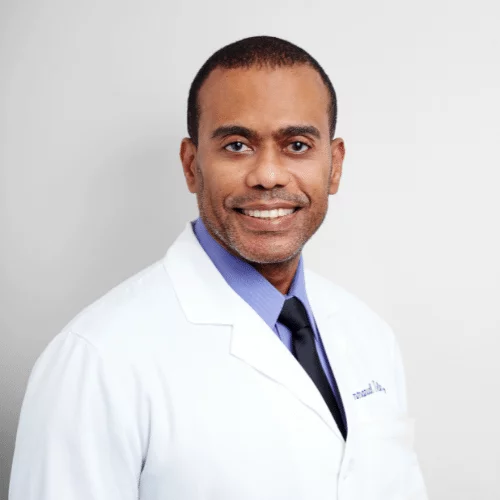
Emmanuel Gelin, MD is a board-certified internist and infectious disease specialist treating patients in Brooklyn, New York, and the surrounding communities. He holds certification from the American Board of Internal Medicine in both internal medicine and infectious disease. Dr. Gelin is also a member of...
Learn More »