¿Qué es una colonoscopia o prueba de detección del cáncer colorrectal?
A colonoscopy, which is also used to screen for colon cancer, is a test that utilizes a long, thin camera called a colonoscope to look inside the colon (large intestine). This device allows doctors to detect changes or abnormalities in the rectum and large intestine. During a colonoscopy in NYC, tissue may also be removed for the purpose of eliminating polyps or other harmful growths, or for taking a biopsy sample.
A colonoscopy is one of a few recognized ways to screen for colorectal cancer. Other options include stool-based tests and CT colonography, also called a virtual colonoscopy, but a colonoscopy is the only one of these tests that lets your doctor both find and remove polyps in the same visit, according to the CDC. If a stool test or virtual colonoscopy comes back abnormal, a follow-up colonoscopy is typically needed to complete the screening.
¿Cómo se prepara para una colonoscopia?
Before your colon cancer exam, you may require medical clearance for anesthesia from a qualified physician. You can schedule a colonoscopy after meeting one of our gastroenterología providers. Your physician will recommend the right bowel preparation prescription for you.
Tres días antes de su colonoscopia, evite las verduras de hoja verde y los alimentos con semillas pequeñas, palomitas de maíz o quinua, que pueden ser difíciles de limpiar del colon. Consulte a su médico sobre cualquier inquietud relacionada con la dieta. El día antes del procedimiento, se le indicará que coma un desayuno ligero y luego comience una dieta de líquidos claros hasta 4 horas antes del procedimiento. El día antes de la colonoscopia, se le administrarán medicamentos para limpiarle el colon. Se le indicará que evite comer o beber 4 horas antes del procedimiento.
¿Por qué debería hacerme una colonoscopia?
A colonoscopy in NYC can help identify the cause of chronic diarrhea, constipation, abdominal pain, or rectal bleeding. More importantly, it can detect early signs of colorectal cancer, which is one the rise and the second to third leading cause of cancer in the United States. When found early, colon cancer is often preventable and highly treatable.
¿Quién debe hacerse una colonoscopia?
It is generally recommended to have a colonoscopy every five to ten years starting at age 45. If you have a close relative diagnosed with colon cancer or polyps, you may need a screening earlier and at a shorter interval.
Guidelines generally support a 10-year interval after a normal screening colonoscopy for people at average risk, though this interval does not apply if you have symptoms or a higher personal or family risk. Talk with your gastroenterologist about the schedule that fits your situation.
¿Qué puede esperar durante una colonoscopia?
Durante tu colonoscopia, la anestesia será administrada por un anestesiólogo certificado por la junta para garantizar que esté cómodo y dormido durante el procedimiento. El procedimiento normalmente dura menos de una hora.
Seguimiento y recuperación después de una colonoscopia
It takes up to an hour to recover from anesthesia, but you may remain slightly groggy or tired for a few hours after the procedure. If you have an escort to pick you up, arrange for them to take you home after the procedure. If you do not have an escort available and feel comfortable going home on your own, our office allows you to go home without an escort. We’ll review your colonoscopy results with you, including any recommendations, prior to discharging you. If no abnormalities are found, you may not need another colonoscopy for 5–10 years. If polyps or suspicious tissue are detected, we may recommend earlier follow-up.
Costos potenciales de una colonoscopia
Bajo la Ley de Cuidado de Salud a Bajo Precio (Affordable Care Act), las colonoscopias preventivas (de detección) suelen estar cubiertas tanto por el seguro privado como por Medicare si no se toman muestras durante el procedimiento. Consulte con su proveedor de seguros para obtener detalles exactos sobre la cobertura.
Riesgos potenciales de una colonoscopia
Los riesgos son mínimos, pero pueden incluir reacciones a la anestesia, presencia temporal de sangre en las heces (especialmente si se extrajo tejido) o, en casos raros, un desgarro en la pared del colon. Comuníquese con su médico si experimenta sangrado continuo o excesivo.
Pruebas o tratamientos relacionados
Además de las colonoscopias en Nueva York, Medical Offices of Manhattan también ofrece endoscopias (gastroscopias), cápsulas endoscópicas, evaluaciones hepáticas y exámenes de detección para otros tipos de cáncer.
Preguntas frecuentes
The procedure itself typically takes less than an hour, but plan for two to three hours total once you include check-in, sedation recovery, and discharge instructions.
No. A board-certified anesthesiologist administers sedation so you are comfortable and asleep throughout the procedure.
If you have an escort, they should plan to take you home, since you'll be recovering from anesthesia. Patients without an escort who feel comfortable going home on their own are able to do so at our office, but check with your care team about what's right for you.
A screening colonoscopy is done on a routine schedule for someone with no symptoms, generally starting at age 45. A diagnostic colonoscopy is done to investigate specific symptoms like rectal bleeding or ongoing abdominal pain, and may happen at any age based on your doctor's recommendation.
Preventive screening colonoscopies are generally covered by private insurance and Medicare under the Affordable Care Act when no tissue is removed. If polyps are found and removed, some plans may apply different coverage rules. Confirm your specific plan's coverage with our billing team.
Talk with your gastroenterologist before your appointment. There are different bowel prep options, and your provider can recommend one that's easier to manage based on your health history.
Your care team will review initial findings with you before you're discharged the day of the procedure. If tissue samples were taken, lab results for biopsies typically take longer and your doctor will follow up once those are available.
Most polyps can be removed during the same procedure. Your doctor will let you know what was found and whether it changes your recommended follow-up schedule.
You can schedule directly with one of our gastroenterology providers. Some insurance plans require a referral, so check with your plan or our billing team before booking.
For most people at average risk with a normal result, the next recommended colonoscopy is 5 to 10 years later. Your doctor will confirm the right interval for you based on your results and personal risk factors.
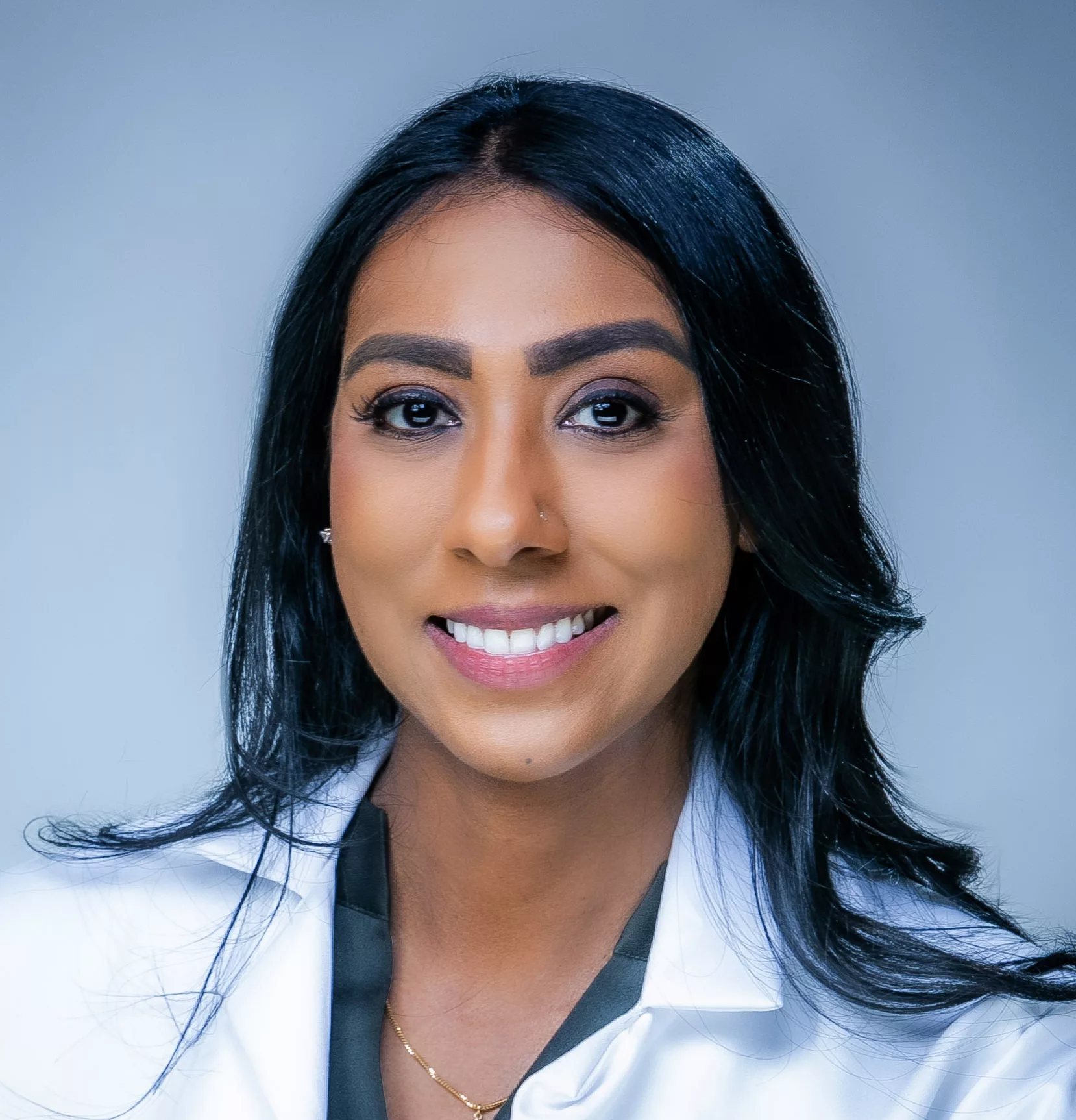
La Dra. Pratima Dibba es una gastroenteróloga certificada por la junta con una amplia experiencia en gastroenterología, nutrición y salud gastrointestinal de la mujer. Le apasiona la atención gastrointestinal preventiva, la detección del cáncer de colon y la salud digestiva en general. Graduada de la Universidad de Medicina y Ciencias de la Salud en St. Kitts,...
Más información »